Understanding the Significance of Holy Monday in Holy Week

Credit: Pinterest.
Holy Week stands as one of the most important periods in the Christian calendar, marking the final days of Jesus Christ’s earthly life before his resurrection. Among these days, Holy Monday holds a unique place, often overlooked but rich with meaning and tradition. This post explores the significance of Holy Monday, its biblical roots, and how it is observed around the world.
Holy Monday falls immediately after Palm Sunday and before Holy Tuesday. It is a day that invites reflection on the events leading up to Jesus’ crucifixion and encourages believers to prepare spiritually for the solemn days ahead.
The Biblical Events of Holy Monday
Holy Monday recalls several key moments from the Gospels that reveal Jesus’ actions and teachings during the last week of his life. These events set the tone for the challenges and sacrifices that follow.
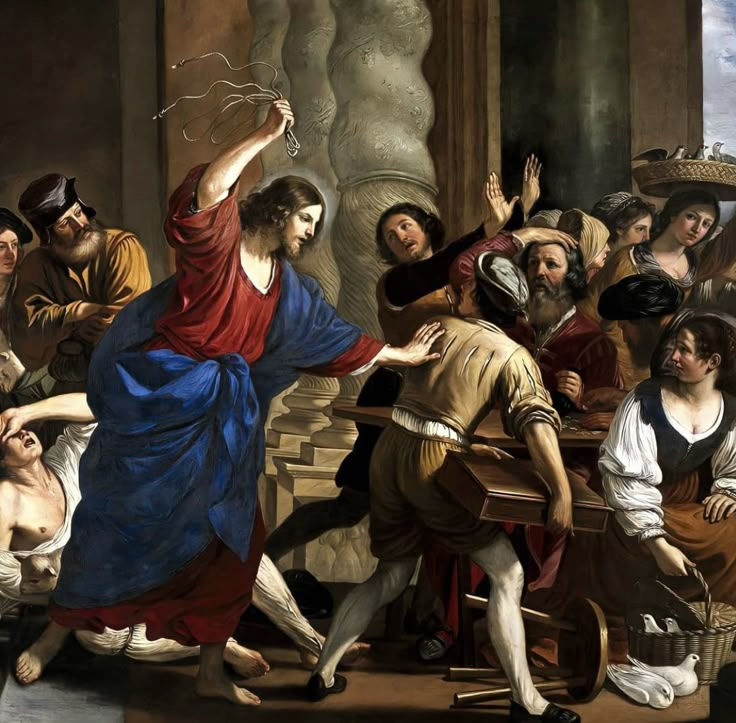
The Cleansing of the Temple
According to the Gospels of Matthew, Mark, and Luke, Jesus entered the temple in Jerusalem and drove out the money changers and merchants. This act symbolized his condemnation of corruption and the misuse of a sacred place. It also highlighted his authority and commitment to spiritual purity.
The Cursing of the Fig Tree
In the Gospel of Mark, Jesus curses a fig tree for bearing no fruit, which many interpret as a metaphor for spiritual barrenness. This event serves as a warning against hypocrisy and a call to genuine faith and repentance.
Teaching in the Temple
Jesus continued to teach and challenge the religious leaders, emphasizing themes of justice, mercy, and true worship. His words on Holy Monday foreshadow the conflicts that would lead to his arrest.
These stories provide a foundation for understanding the spiritual focus of Holy Monday: a call to examine one’s faith and commitment.
Holy Monday Traditions Around the World
Different Christian communities observe Holy Monday with various customs that reflect their cultural and theological perspectives. These traditions help believers connect with the biblical events and deepen their spiritual experience.
Eastern Orthodox Churches
Holy Monday is known as the day of the Parable of the Ten Virgins, which teaches the importance of readiness and vigilance for the coming of the Kingdom of God. Services often include special hymns and readings that emphasize watchfulness and repentance.
Western Christian Practices
In many Western churches, Holy Monday services focus on the cleansing of the temple and the fig tree parable. Some communities hold processions or reenactments to bring these stories to life. The day is also a time for quiet reflection and prayer.
Popular Customs
In some countries, Holy Monday marks the beginning of more intense fasting and penance. It is common for believers to attend church services, participate in confession, or engage in acts of charity.
These diverse practices show how Holy Monday serves as a bridge between celebration and solemnity, inviting believers to prepare their hearts for the coming days.
The Spiritual Meaning of Holy Monday Today
Holy Monday remains relevant for modern believers as a day to reflect on personal faith and spiritual growth. The themes of cleansing, readiness, and sincere worship resonate beyond the biblical narrative.
Self-Examination
Like the cleansing of the temple, Holy Monday encourages individuals to identify areas in their lives that need renewal or purification. This might mean letting go of harmful habits or renewing commitment to ethical living.
Awareness and Vigilance
The parable of the ten virgins reminds believers to stay spiritually alert and prepared. This can translate into daily practices such as prayer, meditation, and acts of kindness.
Facing Challenges with Faith
Jesus’ actions on Holy Monday show courage in confronting injustice and hypocrisy. This inspires believers to stand firm in their values, even when facing difficulties.
By embracing these lessons, Holy Monday becomes a powerful opportunity for growth and transformation.
How to Observe Holy Monday Meaningfully
If you want to make Holy Monday a meaningful part of your Holy Week, consider these practical steps:
Attend a Service
Participate in a Holy Monday church service to connect with the community and the biblical stories.
Reflect on the Scriptures
Read the Gospel passages about the cleansing of the temple and the fig tree. Think about what they mean for your life.
Practice Spiritual Cleansing
Identify habits or attitudes that need change. Use prayer or journaling to seek guidance and strength.
Prepare for the Week Ahead
Use Holy Monday to set intentions for the rest of Holy Week, focusing on humility, service, and faith.
These actions help deepen the experience of Holy Monday and prepare you for the week's profound events.
God bless!

Comments